The So-called Horn of Saint Blaise
Practical reuse

Use this artwork.

Verified CC0

This record carries an explicit open-use marker in the source metadata. Download the publication copy or follow the museum record for its master image.

Download publication WebP Open museum master ↗
Rights signal
CC0
Publication file
900 × 595 px · WebP
Suggested credit
The So-called Horn of Saint Blaise (1100–1200). Gift of the John Huntington Art and Polytechnic Trust Rights: CC0. https://clevelandart.org/art/1930.740

Vault de Lupin makes the source signal legible; it does not provide legal advice or replace the institution’s current rights statement.

From the museum record

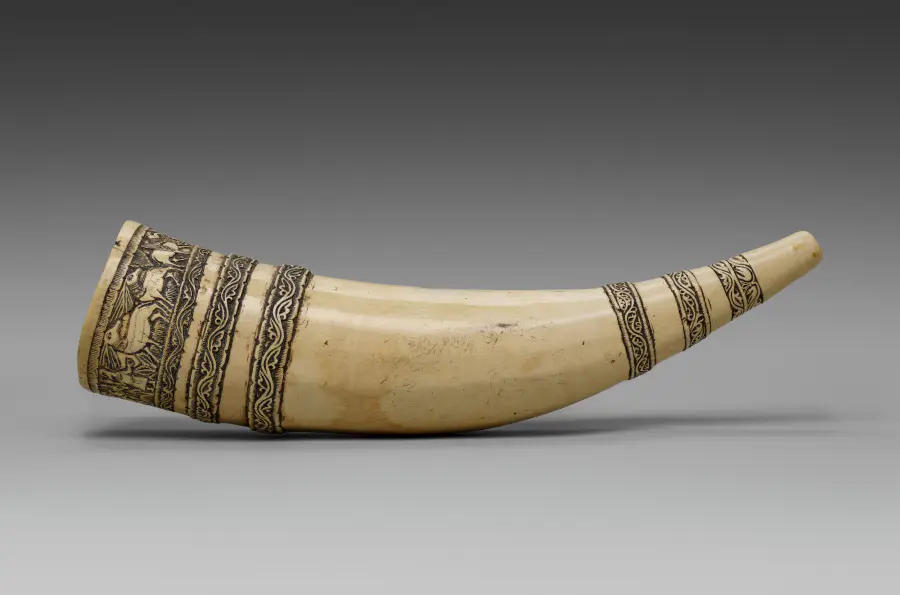
This oliphant--a carved elephant tusk in the shape of a hunting horn--was likely carved in an Arab ivory workshop in South Italy or Sicily. It is masterfully shaped, with a series of six carved bands, the outer ring depicting scenes from a hunt. The earliest surviving inventory of the church of Saint Blaise from 1482-85 lists an oliphant decorated with silver rings and precious stones and known as the "Horn of Saint Blaise." By the 17th century, Saint Blaise was reputed to have used this very horn to summon the faithful to worship.

Lupin’s visual index

A pale ivory horn is adorned with detailed, symmetrical black and white carvings depicting a stylized animal.

Machine-assisted description · useful for discovery, not scholarship.
Continue looking

Nearby in the vault.

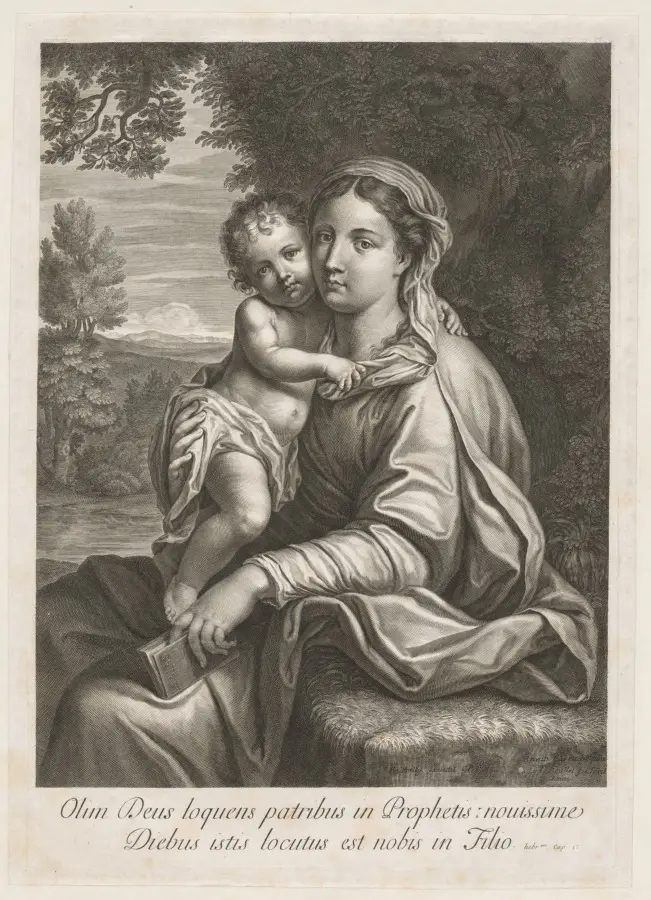
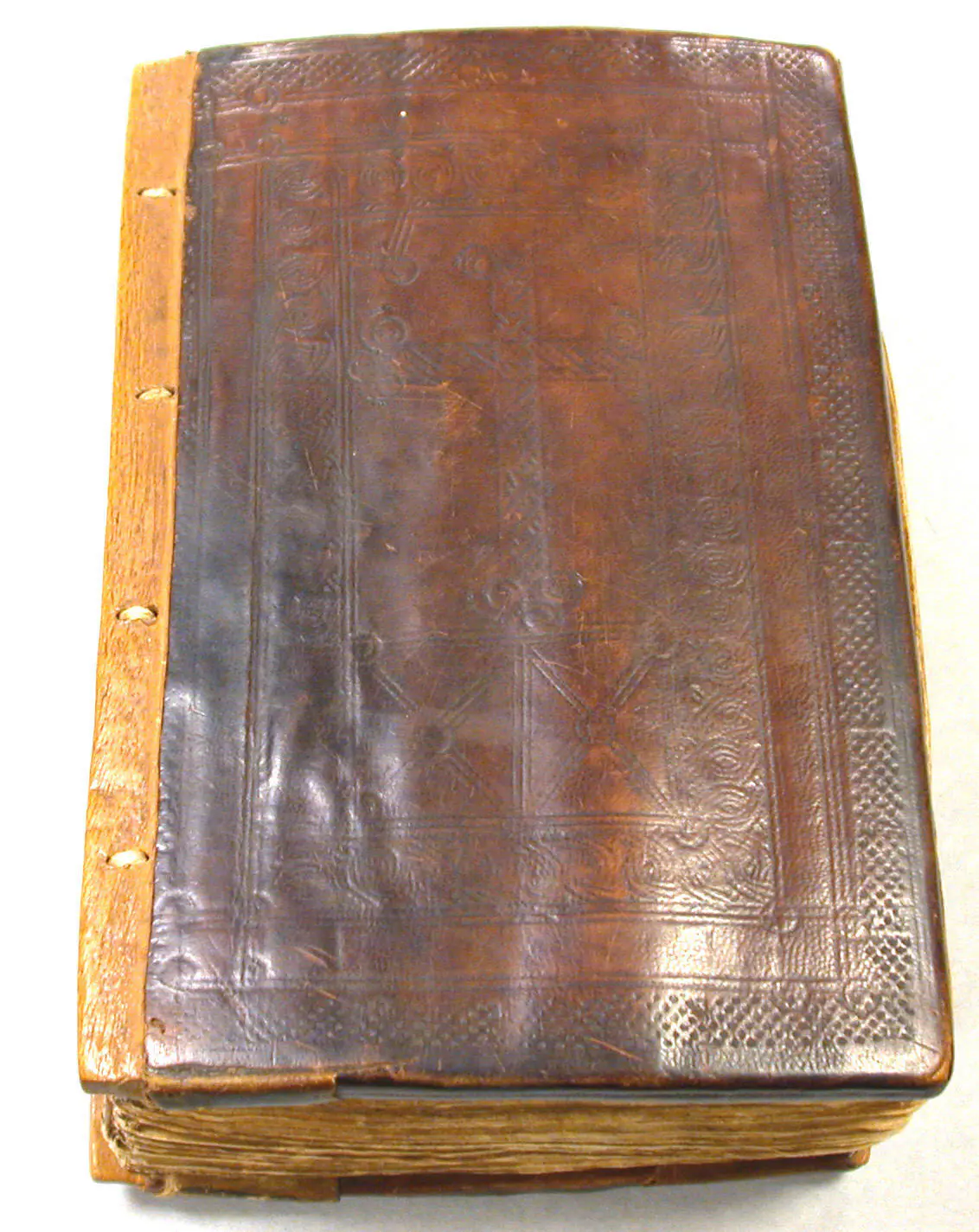
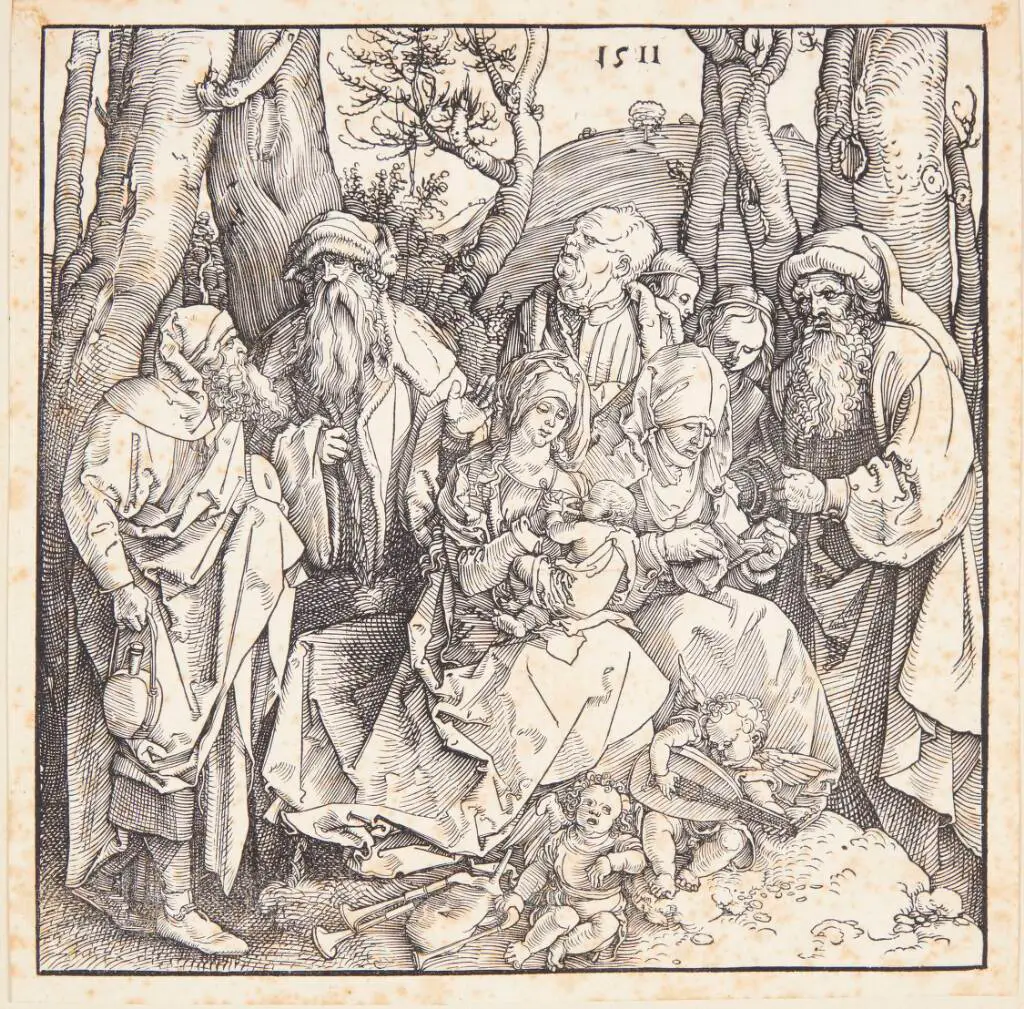
The So-called Horn of Saint Blaise

The So-called Horn of Saint Blaise

Your private shortlist

Saved works 0

Stored only in this browser. No account, tracking, or upload.

No works saved yet.

Use “Save work” on any catalogue card or artwork record to build a working collection.