Vol. I · The open image paperWinnipeg · Musée sans mursRecovered · Remembered · Returned
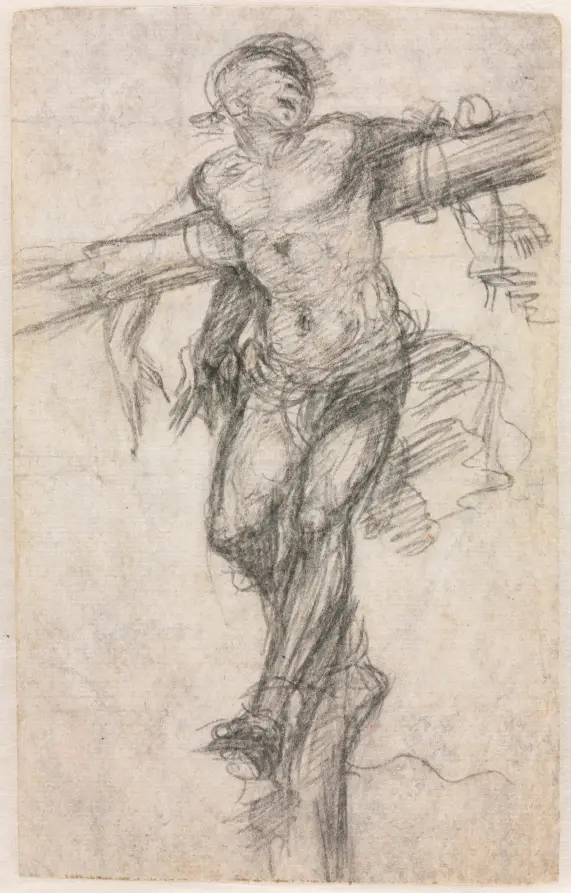
Cleveland Museum of Art160180portraitSodoma (Italian, 1477–1549)c. 1530CC0cma design-assets ink-paper-impressions design assets ink paper impressions nude figure charcoal drawing sketch anatomy male figure drawing study gesture drawing realistic grey tones 17th century italian art classical figure drawing lifelike the unrepentant thiefSodoma (Italian, 1477–1549) c. 1530 Italy, 16th century black chalk, [object Object] Drawing European DecorativeThe Maker’s Cabinet Ink, Paper & Impressions
Practical reuse
Use this artwork.
Verified CC0
This record carries an explicit open-use marker in the source metadata. Download the publication copy or follow the museum record for its master image.
The Unrepentant Thief by Sodoma (Italian, 1477–1549) (c. 1530). Andrew R. and Martha Holden Jennings Fund Rights: CC0. https://clevelandart.org/art/1998.108
Vault de Lupin makes the source signal legible; it does not provide legal advice or replace the institution’s current rights statement.
From the museum record
Two thieves were crucified with Christ on Mount Golgotha. One, recognizing Christ's innocence, re-pented his sins, while the other reviled him. In paintings of the crucifixion, this unrepentant thief is depicted at Christ's left. The angle of the cross in this drawing indicates that it is the unrepentant thief who here struggles against the binding ropes. Sodoma was born and trained in Lombardy, but spent most of his life in Siena, where he dominated Sienese painting during the first half of the 16th century. Known for his emotionally charged paintings as well as for his eccentric lifestyle, Sodoma's individuality is evident in his drawings. Here, in the first drawing by this important Renaissance artist to enter the museum's collection, the scratchy and trailing lines of the figure, with its various pentimenti (changes) create the active tension and nervous movement that both enliven the form and suggest the pain of the suffering thief.
Lupin’s visual index
A charcoal study depicts a partially draped male figure in a dynamic, contorted pose.
Machine-assisted description · useful for discovery, not scholarship.
.webp)