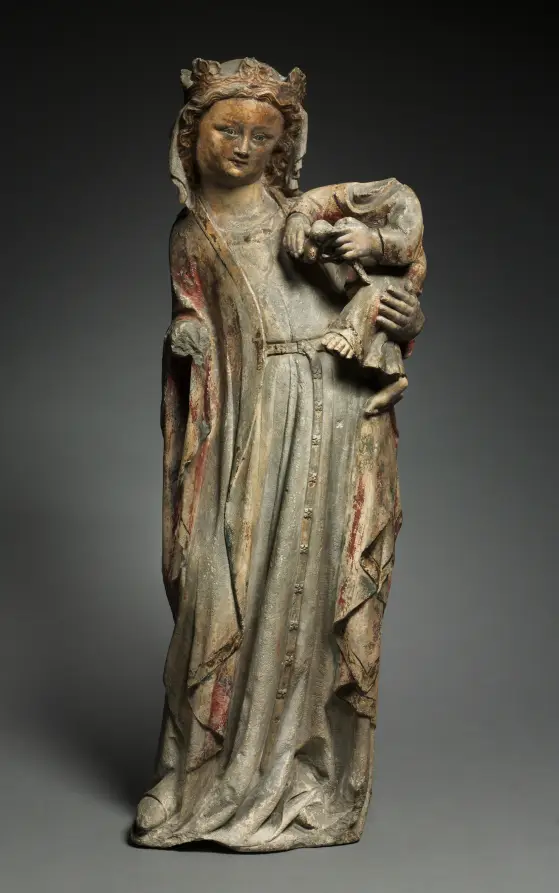
Virgin and Child
Practical reuse

Use this artwork.

Verified CC0

This record carries an explicit open-use marker in the source metadata. Download the publication copy or follow the museum record for its master image.

Download publication WebP Open museum master ↗
Rights signal
CC0
Publication file
559 × 893 px · WebP
Suggested credit
Virgin and Child (c. 1315–20). Leonard C. Hanna Jr. Fund Rights: CC0. https://clevelandart.org/art/1974.14

Vault de Lupin makes the source signal legible; it does not provide legal advice or replace the institution’s current rights statement.

From the museum record

This graceful Virgin and child is a beautiful example from a large number of such figures produced in Lorraine, in eastern France, during the early 1300s. Lorraine at the time had a well-established artistic tradition and was under the rule of the Counts of Bar with established cultural links to both Flanders and England. Many of the surviving Lorraine Virgins share common characteristics consistent with this example--the swaying posture, with the weight of the Virgin placed on the left foot; and an open mantle with an exposed belted gown, the girdle itself trailing to the ground and ornamented with rosettes. Such standing figures were likely made for use in parish churches, cathedrals, aristocratic oratories, and monastic chapels, and attest to the intense veneration rendered to the Virgin during the period.

Lupin’s visual index

A weathered, polychrome wooden sculpture depicts the Virgin Mary cradling the infant Jesus.

Machine-assisted description · useful for discovery, not scholarship.
Continue looking

Nearby in the vault.

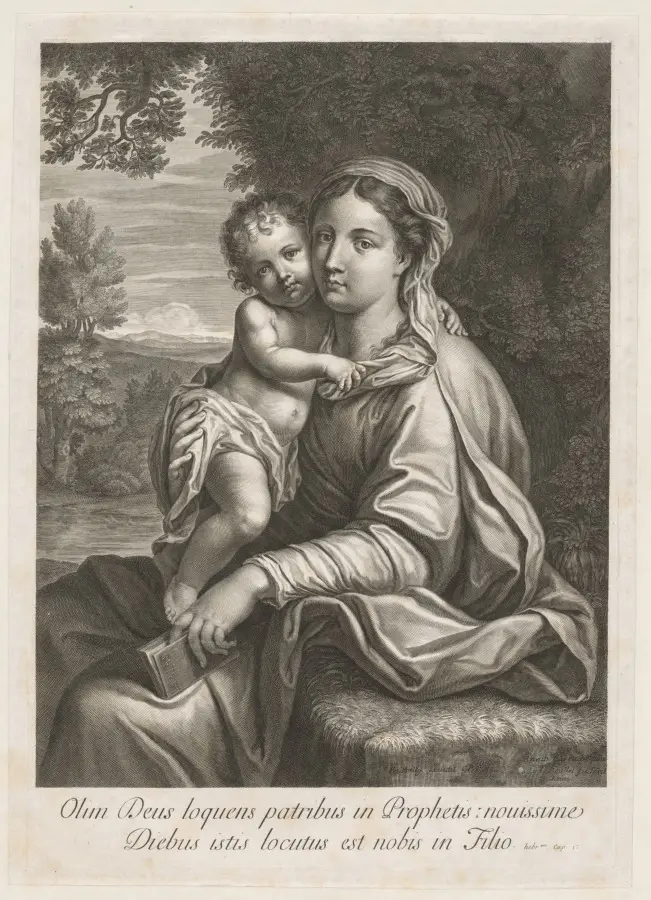
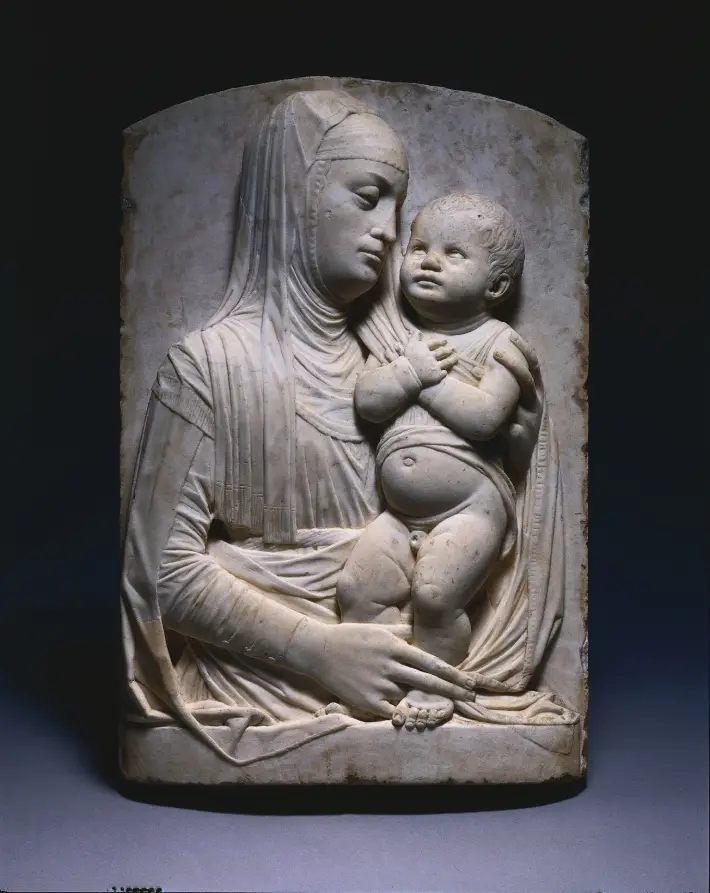
Virgin and Child

Virgin and Child

Your private shortlist

Saved works 0

Stored only in this browser. No account, tracking, or upload.

No works saved yet.

Use “Save work” on any catalogue card or artwork record to build a working collection.