Vol. I · The open image paperWinnipeg · Musée sans mursRecovered · Remembered · Returned
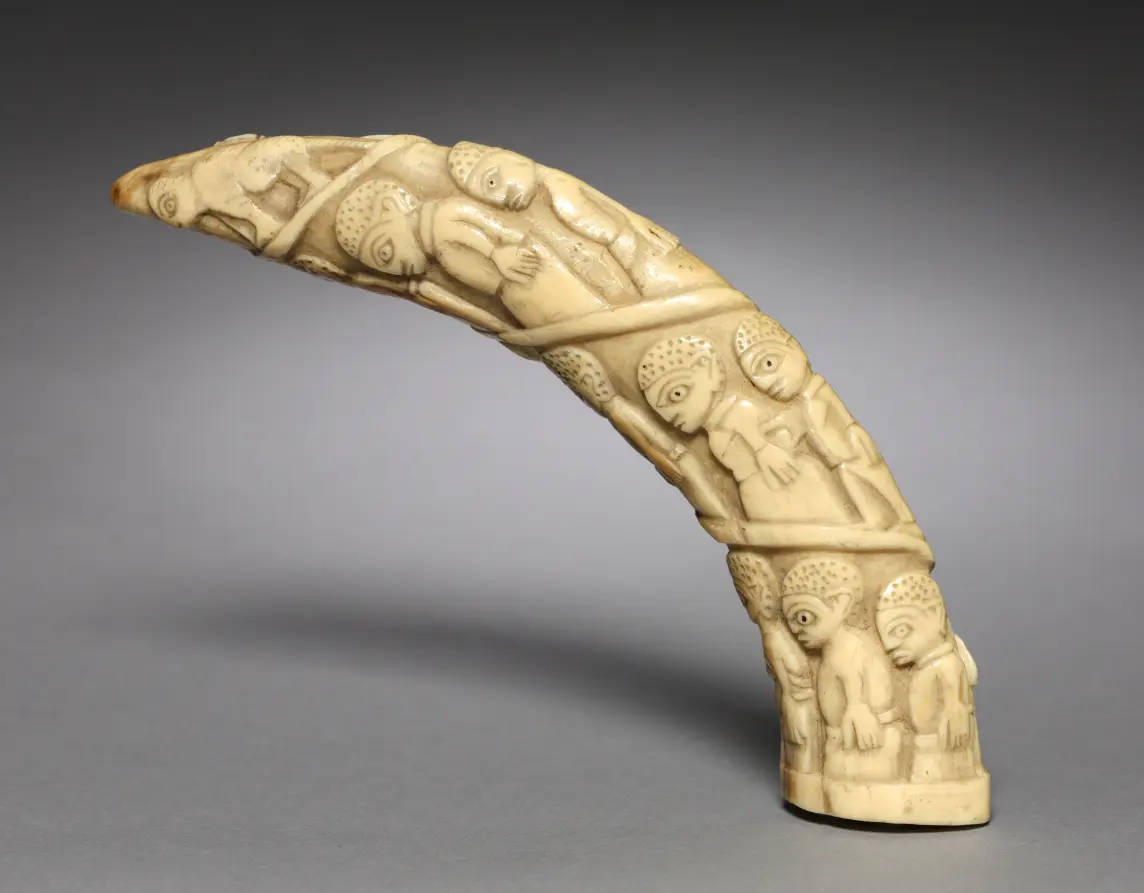
Cleveland Museum of Art144311landscapec. 1900CC0cma african-global-heritage symbols-patterns portraits objects-with-gravity african global heritage symbols patterns objects with gravity ivory sculpture african art ancestors ritual carving relief portraiture beige brown geometric tribal historical culture artisan traditional symbolic figurec. 1900 Central Africa, Democratic Republic of the Congo, Kongo, early 20th century ivory Sculpture African PortraitAfrican & Global Heritage Symbols & Ornament Faces in Time Objects with Gravity
Practical reuse
Use this artwork.
Verified CC0
This record carries an explicit CC0 marker in the source metadata. Download the publication copy or follow the source record for its master image.
Carving (c. 1900). Gift of Mrs. Charles E. Roseman Rights: CC0. https://clevelandart.org/art/1969.138
Vault de Lupin makes the source signal legible; it does not provide legal advice or replace the institution’s current rights statement.
From the museum record
Carved elephant ivory tusks and hippopotamus tooth ivory—whether large, or small, like this example—were sought-after souvenirs for Europeans who visited, lived, or worked on the coast of Central Africa. Vili carvers had been sculpting ivory for centuries. In the age of European commerce and colonialism, they created carefully observed tusks with representations of everyday life for European clients. While commissions, they also reflected what the artists chose to represent about their own societies, and sometimes about Europeans. In this small tusk, we see Congolese individuals wearing various clothing, from local-style waist wrappers to European brimmed hats.
Lupin’s visual index
A meticulously carved ivory sculpture depicts a procession of stylized figures, suggesting a ritualistic or ancestral theme.
Machine-assisted description · useful for discovery, not scholarship.