Vol. I · The open image paperWinnipeg · Musée sans mursRecovered · Remembered · Returned
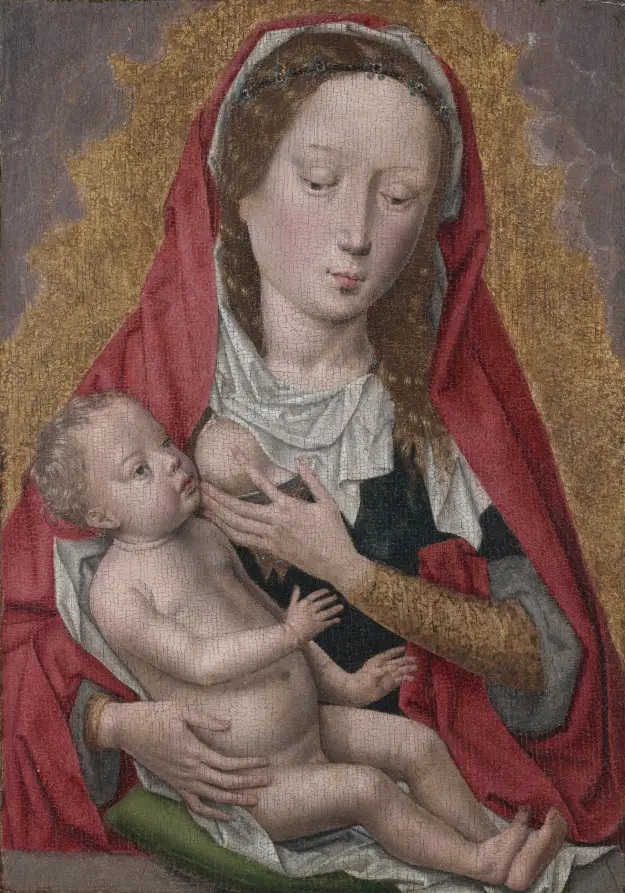
Cleveland Museum of Art114684portraitHans Memling (Netherlandish, 1494)c. 1470–80CC0cma sacred-art portraits objects-with-gravity sacred art objects with gravity virgin mary christ child nursing renaissance oil painting religious art mary baby jesus halo gold red portrait medieval italian art classic serene detailed religious mother and child 15th century virgin and childHans Memling (Netherlandish, 1494) c. 1470–80 Flanders, Bruges oil on wood Painting European ReligiousSacred & Devotional Faces in Time Objects with Gravity
Practical reuse
Use this artwork.
Verified CC0
This record carries an explicit CC0 marker in the source metadata. Download the publication copy or follow the source record for its master image.
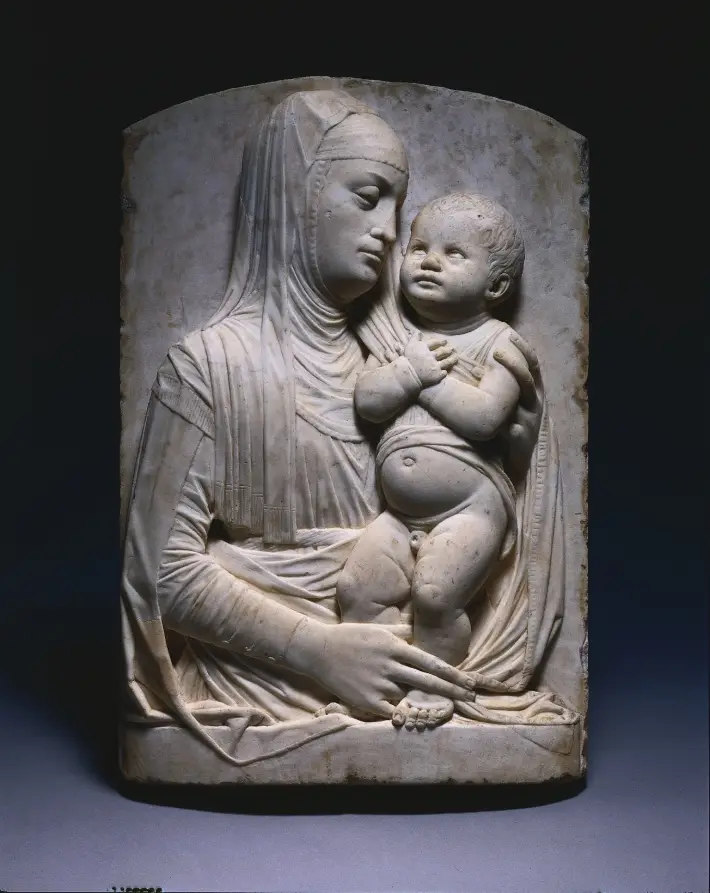
Virgin and Child by Hans Memling (Netherlandish, 1494) (c. 1470–80). Delia E. Holden and L. E. Holden Funds Rights: CC0. https://clevelandart.org/art/1934.29
Vault de Lupin makes the source signal legible; it does not provide legal advice or replace the institution’s current rights statement.
From the museum record
This small panel was once part of a devotional portrait diptych (a hinged two-panel painting). The Christ child’s attention seems drawn to something outside the picture and lifts his hand in recognition. The opposing panel, once hinged on the right, would have featured a portrait of its original owner in prayer, now unfortunately lost. Such devotional portrait diptychs were popular after 1400 and remained so until their production ceased around the 1530s. Used in private chapels or within the curtain folds of four-poster beds, they could easily be closed when not in use. Hans Memling was born near Frankfurt, Germany. He settled in Bruges around 1465 where he developed a reputation for his painting skills, and provided works to the Burgundian court, which likely cultivated the taste for small portrait diptychs. This example seems to have been painted by a member of Memling’s workshop, perhaps for a wealthy merchant or clergyman.
Lupin’s visual index
A Renaissance-era oil painting depicts the Virgin Mary tenderly nursing the infant Christ, surrounded by a golden halo.
Machine-assisted description · useful for discovery, not scholarship.