Vol. I · The open image paperWinnipeg · Musée sans mursRecovered · Remembered · Returned
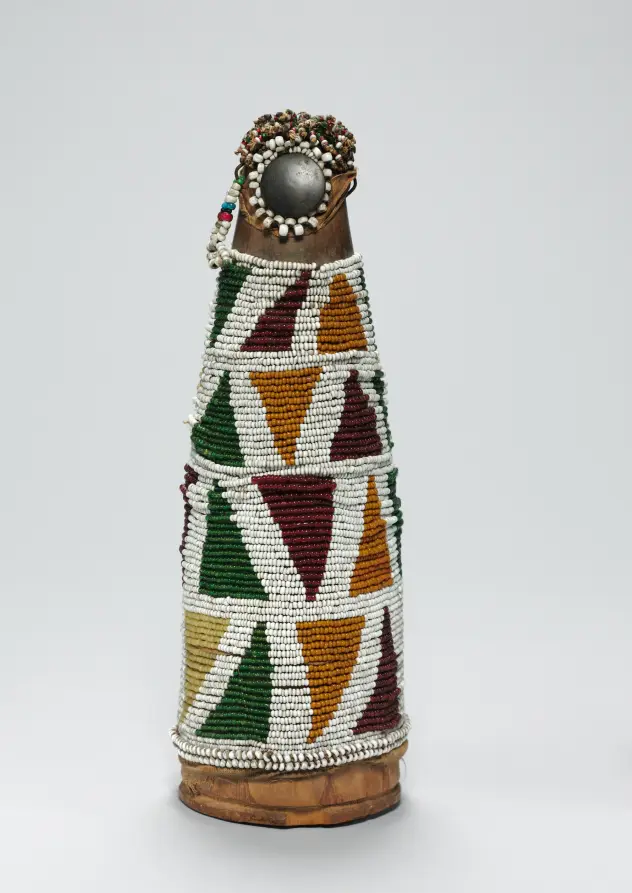
Cleveland Museum of Art168429portrait1800s–1900sCC0cma african-global-heritage objects-with-gravity african global heritage objects with gravity beaded tribal art figure african art beadwork drum wood geometric colorful red green brown white black ceramic folk art traditional vintage ethnic artisan kgöngwana tshingwana ngwana sehô1800s–1900s Southern Africa, Lesotho, Southern Sotho-style maker Wood, glass beads, cloth, thread, and copper alloy Sculpture AfricanAfrican & Global Heritage Objects with Gravity
Practical reuse
Use this artwork.
Verified CC0
This record carries an explicit CC0 marker in the source metadata. Download the publication copy or follow the source record for its master image.
Figure (kgöngwana-tshingwana/Ngwana sehô) (1800s–1900s). Leonard C. Hanna Jr. Fund Rights: CC0. https://clevelandart.org/art/2010.208
Vault de Lupin makes the source signal legible; it does not provide legal advice or replace the institution’s current rights statement.
From the museum record
Historically, figures made from bundled reeds or bead-covered wooden forms––such as this example––were linked to fertility in Sotho communities. A man carved the wooden core, while a woman covered it with fabric and beads. The small size of the glass beads indicates their age, while the patterns can be linked to Sotho aesthetics. Like the beads, the round metal disc that functions as the figure's face would have been imported. While no longer used, records indicate these figures may have been used in several contexts associated with conception, including the initiation ceremonies of young girls, divination rites, or as gifts to brides who might symbolically care for the figure in advance of her firstborn's arrival. Some accounts even describe them as toys. Meanings and appearances both appear to have changed over time.
Lupin’s visual index
A tall, intricately beaded figure stands atop a wooden drum base, adorned with a beaded collar and a dark stone pendant.
Machine-assisted description · useful for discovery, not scholarship.